
Take part in Circular Economy Month with local waste diversion programs
Kawartha Lakes – October is Circular Economy Month in Canada. It's a time to explore ways to reduce waste, reuse resources, and keep materials in circulation.
What is a circular economy?

A circular economy keeps products and materials in use for as long as possible instead of throwing them away. This helps reduce waste, conserve natural resources, and lower environmental impacts. It also creates opportunities for businesses and communities to find new ways to reuse and recycle materials.
Every October, individuals, governments, organizations, and schools across Canada are invited to:
- learn about the circular economy
- celebrate our individual and collective efforts
- showcase circular innovations
- empower others to take action
Supporting the circular economy in Kawartha Lakes
Kawartha Lakes offers several waste diversion and reuse programs that help residents take part in the circular economy. From donating clothing and household items to reusing paint and composting yard waste, small actions can make a difference.
Textile recycling
Textile recycling is available at the Lindsay landfill during regular landfill hours. Residents can drop off clothing, linens, and footwear free of charge in clear bags.
Both reusable and non-reusable textiles are accepted, including stained or ripped items. Textiles collected through the program are sorted by Diabetes Canada. Reusable items may be sold or redistributed through thrift stores, while other textiles are recycled into products such as upholstery, stuffing and rags. Items that cannot be reused or recycled are sent to landfill.
Paint Reuse Program
The Paint Reuse Program runs from May 1 to October 15 at the Lindsay and Fenelon landfill household hazardous waste depots, while supplies last.
Residents can drop off or pick up used latex or oil-based paint and stains in one-gallon and one-quart containers, free of charge. Reusing paint helps keep usable materials out of landfill and can save you money on your next project.
Habitat for Humanity drop-off program
Give household items and building materials a second life by donating them to the local Habitat for Humanity ReStore. Drop-off your donations at the Lindsay and/or Fenelon landfill.
Accepted items include:
- Furniture: dressers, desks, chairs, cabinets, bed frames, mirrors, tables, and outdoor furniture
- Housewares: dishes, pots and pans, glasses, mugs, utensils, paintings, and decorative accessories
- Building materials: doors, windows, sinks, vanities, and tiles in good condition (flooring and tiles must be unopened in boxes sealed. Half used, open bundles will not be accepted)
- Outdoor equipment: skis, golf clubs, snowshoes, bicycles, rollerblades, boots, shovels, and seed spreaders
- Tools: functioning power tools
Donated items must come from smoke-free and pet-free households and in “like new” condition. Check that items are in suitable condition before dropping them off.
Leaf and yard waste
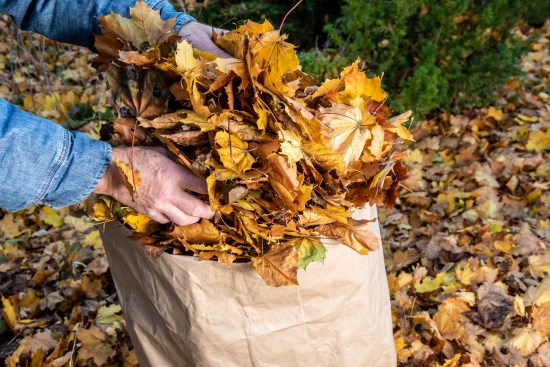
Kawartha Lakes offers curbside leaf and yard waste collection each spring and fall. Residents can also drop off up to 250 kilograms of leaf and yard waste at municipal landfill sites free of charge all year round.
Read: Fall leaf and yard waste curbside collection returns this November
Collected leaf and yard waste is processed into woodchips and compost for community use. Residents can pick up free woodchips and compost at the Lindsay landfill on Wednesdays (while supplies last). Compost availability can be monitored in the updates section on the Landfills page.
Find out more about the City’s diversion programs on our Landfill Diversion Programs page.
Other ways to take part
You can support the circular economy in your everyday life by:
- Repairing items instead of replacing them
- Buying second-hand or choosing reusable products
- Selling or donating items you no longer need
- Shopping at garage sales or using local buy-and-sell groups
- Recycling materials through available municipal programs
- Bring reusable containers to bulk food stores to reduce packaging waste
Every item reused or recycled helps conserve resources and reduce waste.
Learn more about Circular Economy Month at circulareconomymonth.ca
---
Staying connected through your Jump Inbox
Want to receive updates like these straight to your email inbox? Subscribe to the Jump Inbox today. Don’t forget to follow along with the project by connecting with us on Instagram, X, Facebook, YouTube and LinkedIn.
- 30 -
Media are welcome to visit our Media Portal for high resolution images.


