
Water and Sewer Issues
Having a water or sewer problem?
For water and sewer emergencies, call the City of Kawartha Lakes at 705-324-9411 first. Staff may be able to help resolve the issue and save you time and money.
For after-hours water and wastewater emergencies, call 1-877-885-7337
If you are a plumber and would like to be added to the City's approved plumber list, send an email to casewww@kawarthalakes.ca
Frozen Services
Very cold weather can cause water service lines and water meters to freeze. A frozen water service can interrupt your water supply and damage pipes and equipment.
The City recommends a voluntary Freeze Prevention Program to help prevent frozen water services.
Freeze Prevention Program
When temperatures are very cold:
- Keep your home at a minimum temperature of 13°C.
- Open kitchen, bathroom and laundry cabinet doors to allow warm air to reach water pipes and meters.
- Keep your garage door closed.
- Drain and turn off outdoor taps.
- Insulate water pipes near exterior walls, in crawl spaces and attics.
- Seal drafts and air leaks in your home and garage.
- If you will be away, turn off your main water valve, drain your water lines and have someone check your home regularly.
If you are advised to run your water to prevent freezing, let a steady stream about 6mm wide, or about the width of a drinking straw, run continuously until temperatures rise.
You are responsible for any additional water used. The City will not adjust your water bill for water used to prevent freezing.
Think your water service is frozen?
Turn on the tap closest to where the water service enters your home. If there is little or no water flow, your water service may be frozen.
Call the City first at 705-324-9411 before hiring a plumber or starting any work. Staff can provide information about the frozen service and who is responsible for the repair. This may save you time and money.
You should also contact a licensed plumber as soon as possible. Plumbers must contact the City before doing any work on a City-owned water service. Only City-approved plumbers can work on City-owned infrastructure.
The City uses steam to thaw frozen City-owned water services.
Who is responsible?
Responsibility depends on where the water service is frozen.
If the frozen sectio class="isSelectedEnd">If the frozen section is between your home and the property line, you are responsible for hiring a plumber and paying the cost.
If you have taken reasonable steps to prevent freezing and the service on your property cannot be thawed, the City may provide a temporary water service to your home.
If a temporary service is provided, the water use will be billed to both the property supplying the water and the property receiving the water. The amount will be based on the previous year's water use for the same period.
Having repeated freezing problems?
Talk to a licensed plumber about ways to protect your water service, including:
- Lowering the water service to a depth of at least two metres
- Insulating water lines that run along exterior walls
- Other ways to protect your water service from freezing
Sanitary Sewer Backups
If you have a sanitary sewer backup, call the City first at 705-324-9411. Staff need to determine whether the backup is related to the City sewer main before any work begins.
What to do if you have a sewer backup
If the City sewer main is working properly, you will need to hire a plumber to find the blockage. The plumber must:
- Determine whether the blockage is on the City side, between the property line and the street, or on the owner's side, inside the property line.
- Provide video documentation showing where the blockage is located.
- Call the City before starting any work.
Only City-approved plumbers may work on City-owned sewer infrastructure. The plumber will receive further instructions from City staff when they call.
Who is responsible for the cost?
If the blockage is on City-owned property, the City may be responsible for eligible costs, provided the required process has been followed.
If the blockage is inside the property line, the property owner is responsible for hiring a plumber and paying the costs. The owner may hire any plumber for work on their own property.
The City will not be responsible for costs related to a sewer backup caused by misuse of the sewer system.
Important
Do not start work on a sewer backup before calling the City. If the plumber does not contact the City before starting work, the City will not be responsible for the cost, even if the blockage is later found on City-owned property.
The plumber you hire to locate the blockage must have the equipment needed to provide video documentation.
Responses to vulnerable customers are prioritized when possible.
What Can I Flush?
When in doubt, throw it out
The toilet and sewer system are designed for three things:
- Human waste
- Toilet paper
- Wastewater
Anything else can cause blockages, sewer backups and damage to wastewater equipment.
Do not flush these items
- Wipes, including those labelled “flushable”
- Paper towel
- Facial tissues
- Cotton swabs
- Tampons and other feminine hygiene products
- Dental floss
- Hair
- Condoms
- Contact lenses
- Kitty litter
- Cigarette butts
- Medications
- Fats, oils and cooking grease
- Household cleaners and chemicals
- Paint, pesticides and other hazardous waste
Why does it matter?
Many of these items do not break down in water. They can get caught in pipes, combine with grease or other materials, and cause blockages.
Wipes labelled “flushable” can also cause problems. They do not break down like toilet paper and can clog household plumbing and wastewater treatment equipment.
Medications, chemicals and other hazardous materials can also make their way into the environment and should be disposed of properly.
Where should these items go?
When an item should not be flushed, put it in the garbage or use the appropriate disposal program.
For example:
- Return unused or expired medications to a pharmacy.
- Take paint, pesticides and other household hazardous waste to a Household Hazardous Waste Depot (see the Landfill Diversion Programs page for more information)
- Let cooking grease cool and place it in the garbage. Do not pour it down the drain or toilet.
For more waste and recycling diversion information, see the Garbage, Organics, and Waste Reduction page.
Fire hydrants and insurance
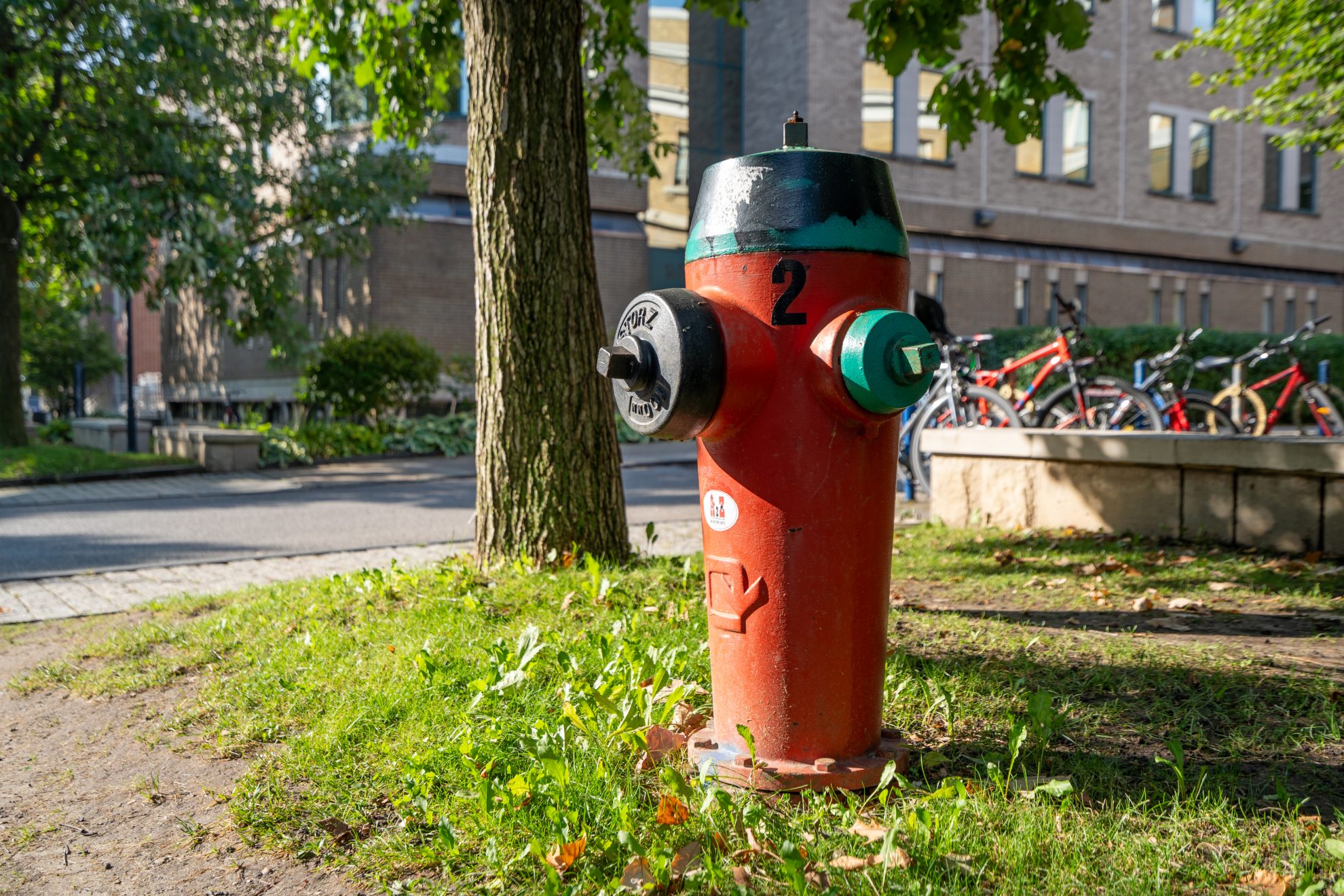
Not all fire hydrants in Kawartha Lakes are used for firefighting. Some are used only for watermain flushing and system maintenance.
Fire-rated hydrants are currently located in:
- Lindsay
- Bobcaygeon
- Fenelon Falls
If you live in one of these communities, a nearby fire-rated hydrant may affect your home insurance. Check with your insurance company to find out if you qualify for an insurance adjustment.
Hydrants in other communities are used for water system maintenance and are not fire-rated. If you have a hydrant near your home, check with your insurance company to make sure they have accurate information about your property's fire protection.
Fire protection in other communities
All Kawartha Lakes fire stations have Superior Tanker Shuttle Certification. This means firefighters can use alternate water sources to deliver enough water to a fire when a municipal fire-rated hydrant is not available.
Homeowners with detached homes may also qualify for an insurance adjustment based on their distance from the responding fire station. The qualifying road distance is up to eight kilometres.
Contact your insurance company for details about your coverage and eligibility.
For fire station locations and more information, visit the Fire Services page.


